
However, as Mutua described, the media landscape is changing.
Today, it’s not just media houses setting the topics; audiences have to be interested in the issues first.
This makes it difficult for a great deal of crises to see the light of a global publication.
It’s a complex problem, and one that requires many solutions.
One of these, suggests CARE, is getting donor agencies (agencies and organizations that typically have the funds to donate to the humanitarian needs of a crisis) to invest in media work, as well as citizen journalism, in order for the necessary stories to be told.
There is a correlation between cases being underreported by the media and them being undersupported by financial powers that can make a difference.
The following cases experienced the results of this correlation in 2023, according to CARE International’s report: “Breaking the Silence:
The 10 most under-reported humanitarian crises of 2023.
1. Angola
Issues: Landmines, Natural Disasters, and Malnutrition
The Central African country is no stranger to this list, yet its issues are only escalating.
Last year, we reported on how Angola was experiencing its worst drought in 40 years, which is still steadily continuing in the southern parts of the country, limiting access to food and finances for the agriculture-fueled country.
As a result, hunger and malnutrition are on a continuous rise, with 7.3 million people in need of humanitarian assistance, of which, 2 million are children.
However, drought is not the only natural disaster the country is reckoning with.
Angola has to deal with flash floods, forest fires, and global-warming induced rising sea levels that could impact the livelihoods of thousands of people in years to come.
What’s more, the country’s civil war from 1975 to 2002 left around 1 million unexploded landmines across its beautiful landscapes, some of which have already taken 500,000 lives.
2. Zambia
Issue: Food Insecurity

Image: Peter Caton/CARE International
Over 60% of the country lives below the poverty line, meaning they live on less than $2,15 a day.
This has resulted in 1.35 million people experiencing acute food insecurity as of 2023. The climate crisis and rising global food prices are the major culprits.
The climate emergency has meant that the weather ping-pongs between intense droughts and ripping storms and floods, which result in soil that is not rich enough to support agriculture.
To make matters worse, these extreme weather patterns are only escalating year on year.
Zambia also walked into 2024 with a cholera outbreak on its hands, the outbreak was first reported in October 2023.
At the time of publication the Africa Center for Diseases Control and Prevention (CDC) has confirmed 11,304 cases and 448 deaths across nine provinces.
3. Burundi
Issue: Severe Malnutrition
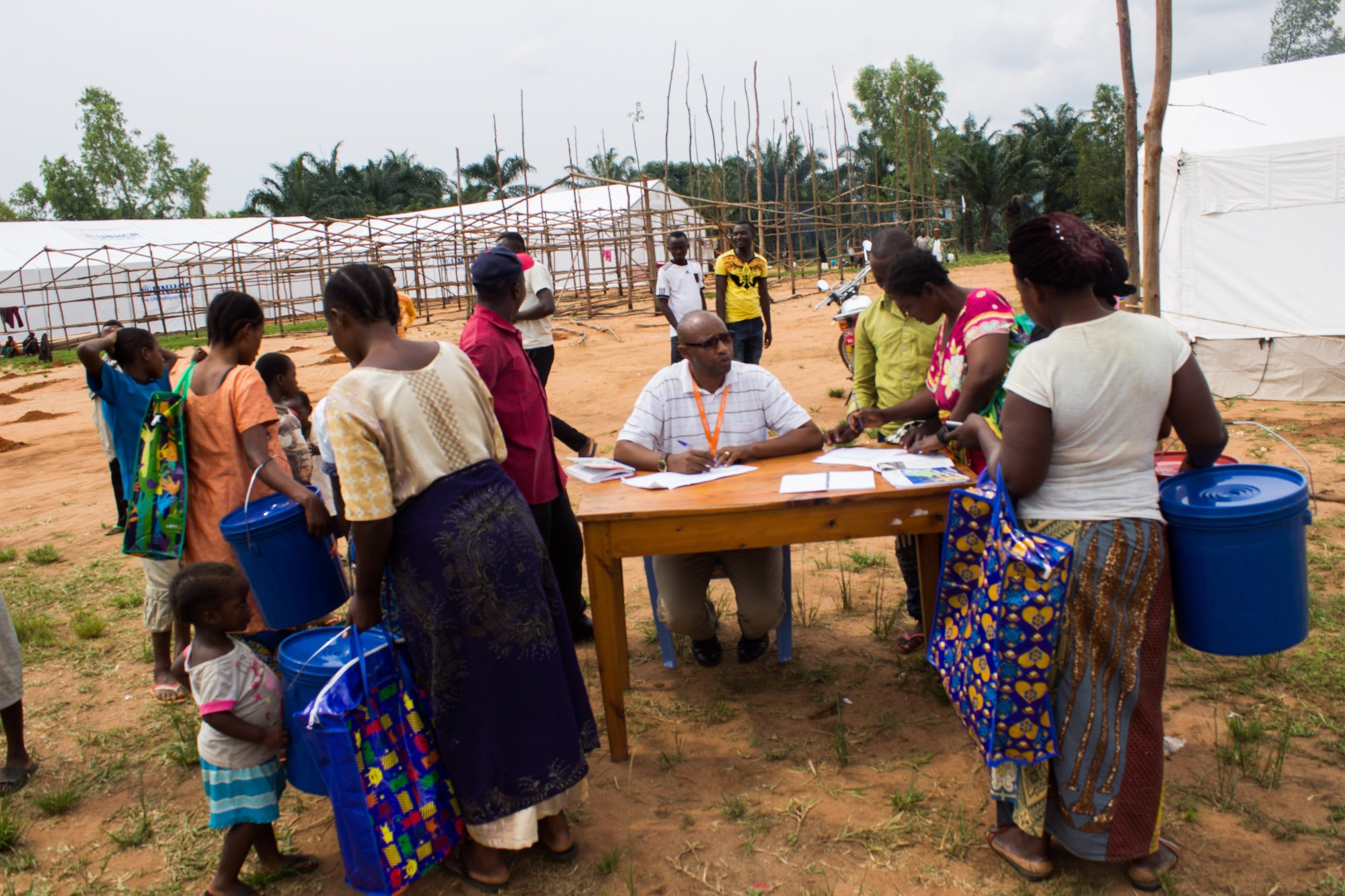
Image: Ninon Ndayikenguruyike/CARE International
According to the United Nations, Burundi has one of the highest rates of malnutrition in the world, with around 17% of the nation experiencing severe food insecurity and 52% of the country’s children experiencing chronic malnutrition.
This is largely caused by high inflation rates making basic food inaccessible, as well as the climate emergency’s impacts on food security.
To add to this, the country is already dealing with political disputes and ethnic conflict that exacerbate the issue, and have increased rates of displacement inside and outside of the country.
4. Senegal
Issues: Food Insecurity, Gender Inequality
Senegal saw a whopping 60% increase in food insecurity in the span of just one year. Global inflation’s impact on food prices, and good ol’ climate change are to blame.
According to CARE, rising food prices have led 8% of citizens to become dependent on humanitarian aid for access to food.
Women and girls are seeing the worst of the humanitarian crisis in Senegal.
Gender inequality is highly evident in the country, meaning women have limited access to financial resources and less access to decision-making, which makes it, as the CARE report notes: “harder for them to build resilience to emergencies and adapt to climate change.”
Related Stories…

 45'MEDIA